
COMPOSITION AND APPLIED MUSIC
FOUNDATION COURSE
Pre-Academic Course in Composition and Applied Music
The Pre-Academic Course in Composition and Applied Music at the Saint Louis College of Music is a preparatory program designed to develop compositional, project management, and technological skills and to guide students toward admission to the bachelor’s degree programs in Composition & Film Scoring and Applied Music.
The course is designed for students interested in music writing, composition for media and audiovisual works, and the development of musical projects applied to contemporary contexts. The program focuses on the relationship between music, imagery, and technology, providing tools for working with different forms of expression, formats, and production processes.
The curriculum is based on composition classes, design workshops, and activities related to applied music, complemented by the study of music technology and audiovisual languages. The pre-academic program provides the necessary foundation to smoothly transition into the subsequent academic program.
Duration 1 year
Classes are held 6 to 10 hours per week, either in person or online, depending on the study plan and the student’s needs
Where Rome and Milan
Language Italian and English
Admission Process: Placement Test to Assess Initial Skills
The pre-academic course in Composition and Applied Music lasts one academic year, andadmission isbased on an audition. The program is designed as targeted preparation for admission to the bachelor’s degree programs in Composition & Film Scoring or Applied Music.
The curriculum focuses on the study of applied music, with an emphasis on composition for films, commercials, short films, documentaries, dance, theater, and multimedia applications. During the course, students develop their compositional skills by working with ensembles and orchestras of live musicians, while also gaining an in-depth understanding of the use of virtual instruments and music technology.
During the pre-academic course in Composition and Applied Music, students acquire skills in the following areas:
-
Study of traditional and contemporary compositional techniques as applied to writing for piano, voice, and strings, with a focus on form, thematic development, and structural coherence.
-
Study of ornate three- and four-part counterpoint, with practical application in the contexts of film music and music for visual media, as a tool for controlling voices and musical texture.
-
In-depth study of classical and contemporary harmony, including the use of 9th, 11th, and 13th chords as well as altered chords, with a focus on composition and analysis.
-
Study of piano technique, using the piano as a tool to support composition, test musical ideas, and develop harmonic and melodic material.
-
Music technology, including the use of sequencing software, notation software, and virtual instruments, applied to composition, pre-production, and the development of applied music projects.
Upon successful completion of the pre-academic course in Composition and Applied Music, students are admitted directly to the bachelor’s degree programs, choosing from the following tracks:
-
Bachelor’s Degree in Film Music Composition
-
Bachelor’s Degree in Applied Music
The academic programs enable students to develop advanced skills in music composition, sound design, and music for media, preparing them to tackle complex and interdisciplinary professional contexts.
Career Opportunities for Graduates of the Bachelor’s Degree Programs in Composition and Applied Music
Completion of the academic program opens the door to various career opportunities in the fields of music composition and production, including:
-
Composer of music for film, audiovisual productions, commercials, documentaries, theater, dance, and multimedia content.
-
A composer of music for visual media, involved in the design and production of soundtracks and musical productions for digital media.
-
Sound designer, specializing in the development of audio content for audiovisual projects, art installations, and multimedia applications.
-
Composer and arranger for ensembles and original productions, playing an active role in defining the musical language and compositional structure.
-
Music producer involved in the pre-production, development, and execution of artistic projects in the fields of composition and applied music.
The Pre-Academic Course in Composition and Applied Music at the Saint Louis College of Music is designed for students who have already acquired a basic knowledge of music and a specific interest in music writing and compositional design.
The program does not start from scratch and requires prior musical training —both theoretical and practical—sufficient to undertake studies focused on composition and applied music.
Placement Test
Admission to the program is based on an audition, which is designed to assess basic theoretical knowledge of music, the ability to analyze and understand musical language, and aptitude for the study of composition.
The entrance exams are held:
-
in June
- In September, exclusively for any places still available
How the entrance test is conducted
The admission exams for the pre-academic course in Composition and Applied Music include:
-
Assessment of basic musical skills through theory and harmony exams consistent with the curriculum
-
An aptitude and motivation interview designed to assess the candidate’s profile, their understanding of the chosen path, and their interest in composition and applied music
-
Submission of any musical materials or compositions the student has already created, if available
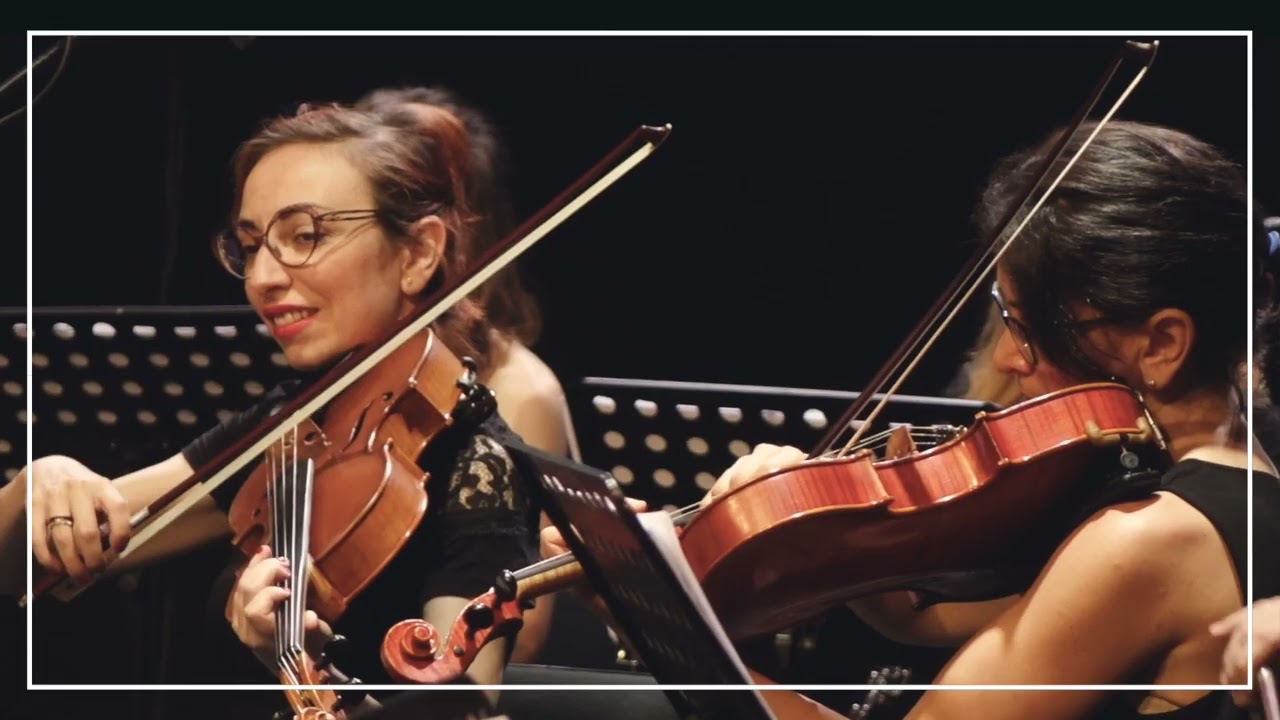
Every year, students engage in structured experiences in scoring visuals, working on applied music projects and original compositions. The compositions are progressively performed by various instrumental ensembles, ranging from string quartets to woodwind quintets, allowing students to explore different timbral and orchestral approaches.
The program concludes at the end of the pre-academic year witha live performance of the students’ own compositions by an orchestra of approximately 30 musicians, conducted by the students themselves in a theater in Rome, synchronized with the visuals, simulating a real-world professional setting.


